
High-Density Polyethylene (HDPE) bottles have become one of the most popular packaging solutions in the world — from water bottles and milk jugs to shampoo containers and cleaning products. Their combination of durability, safety, and recyclability makes them a top choice for both consumers and manufacturers.
What Are HDPE Bottles?
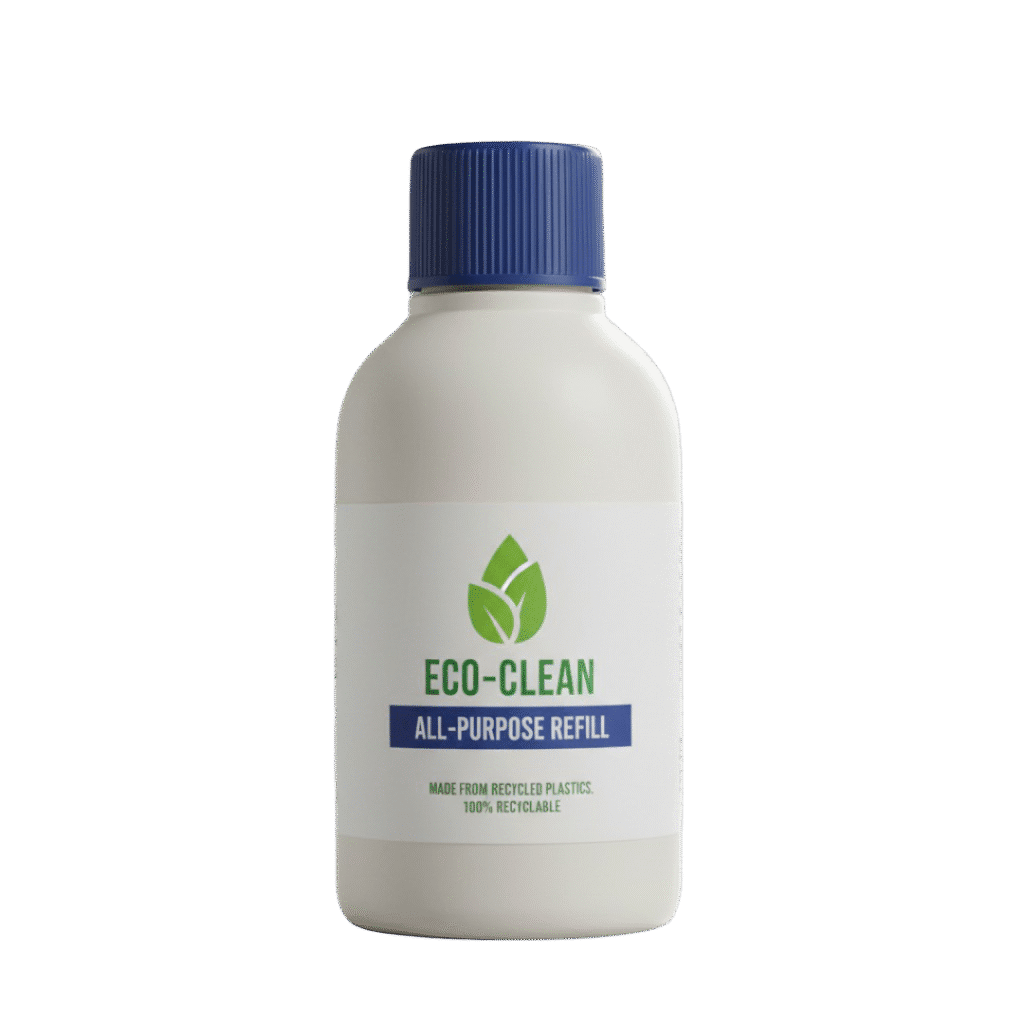
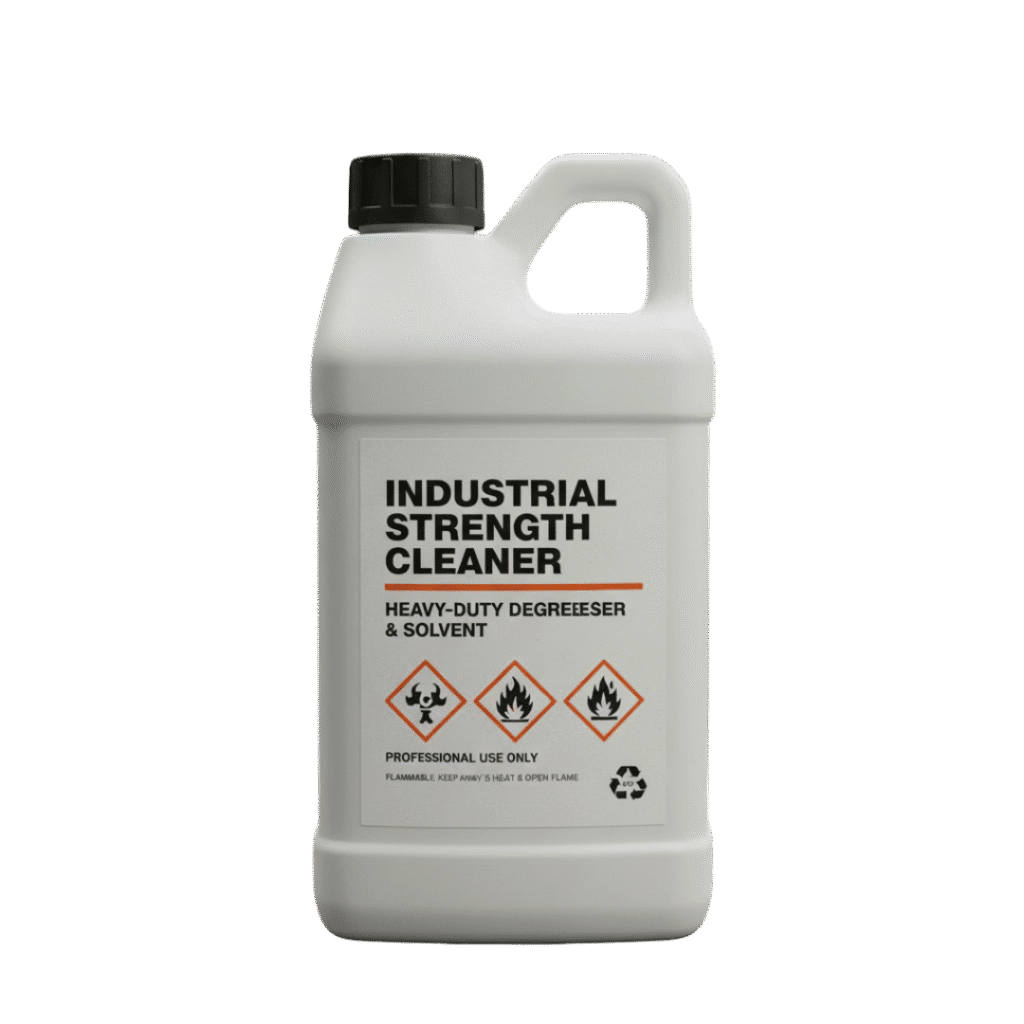
HDPE (High-Density Polyethylene) is a thermoplastic polymer made from petroleum. It is known for its high strength-to-density ratio, which makes it lightweight yet extremely durable. HDPE bottles are used for storing liquids, chemicals, and food products because they can resist impact, chemicals, and temperature variations.
Common HDPE Bottle Applications:
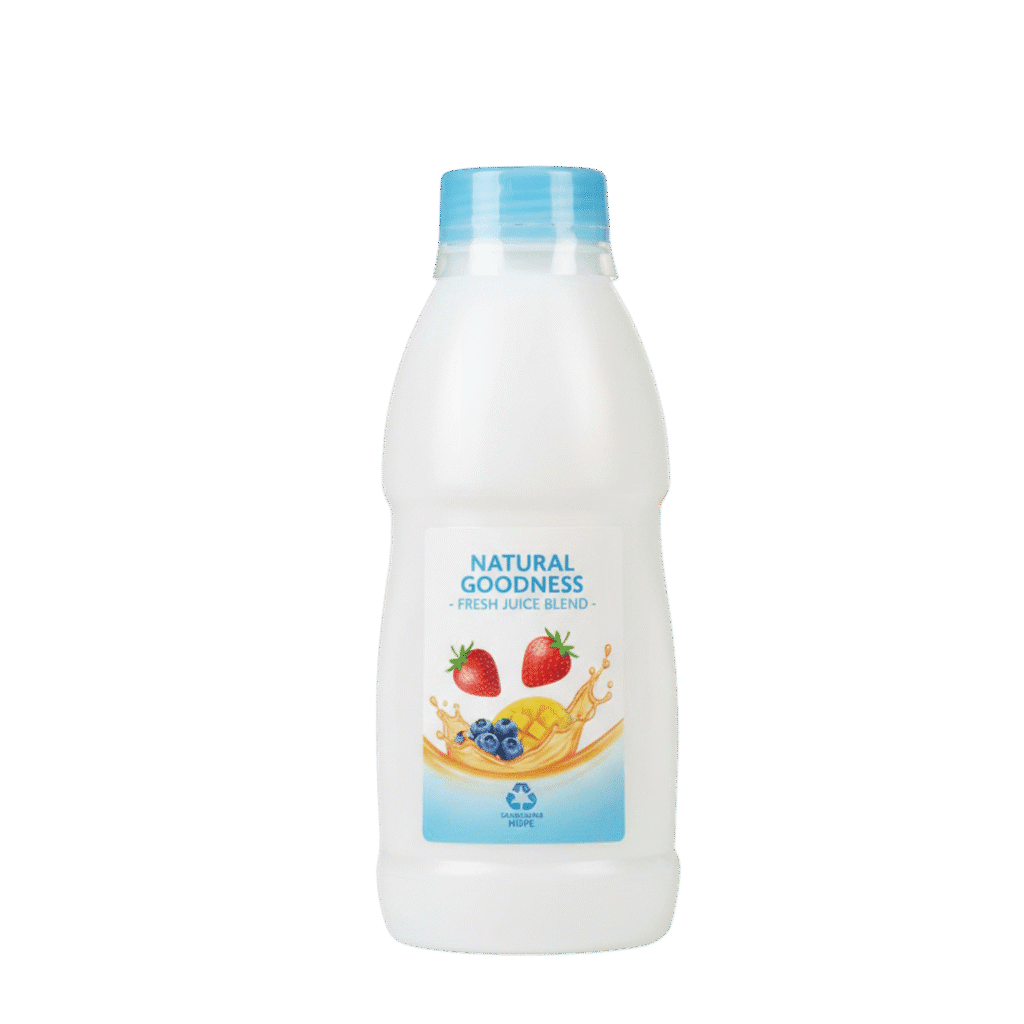
- Food & Beverages: Milk, juice, water, cooking oil
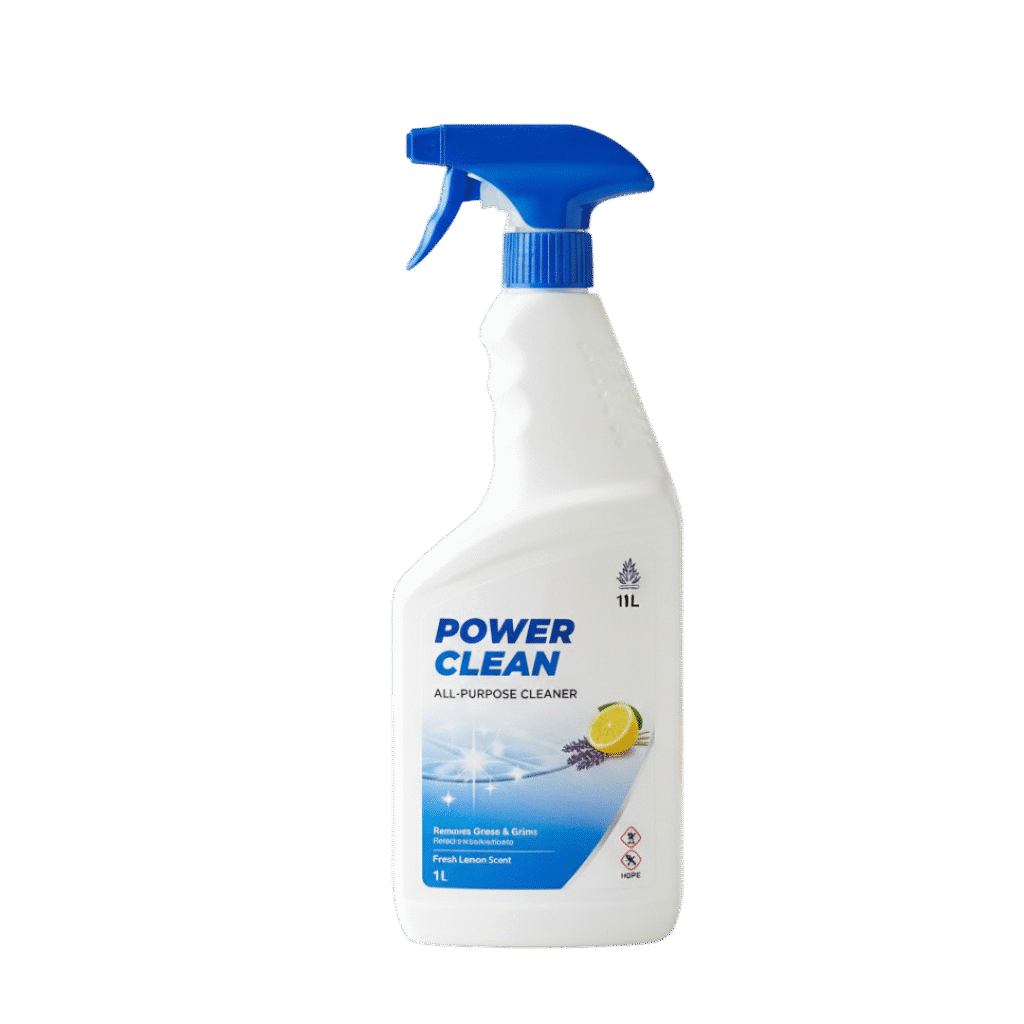
- Household Products: Detergents, cleaners, disinfectants
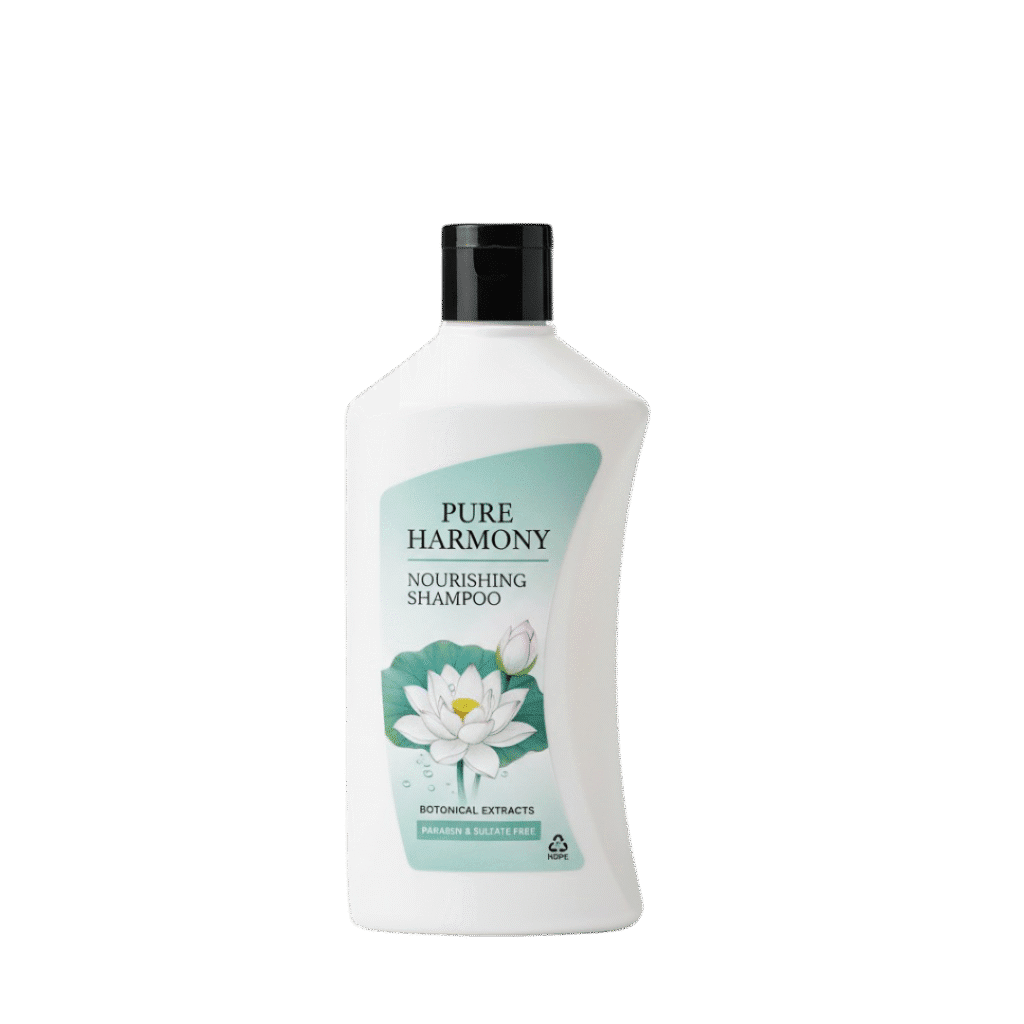
- Personal Care: Shampoo, lotions, creams
- Industrial Uses: Lubricants, automotive fluids, and chemicals
Why HDPE Bottles Are So Popular
HDPE bottles offer a mix of performance, safety, and environmental benefits that few other materials can match.
- Extremely Durable
HDPE is impact-resistant, meaning it doesn’t easily crack or shatter. This durability makes it ideal for both transportation and storage — even under harsh conditions.
- Safe for Food and Beverages
HDPE plastic is BPA-free, FDA-approved, and non-leaching, meaning it doesn’t release harmful chemicals into your food or drinks. This makes it one of the safest plastics for food contact.
- Lightweight but Strong
Despite being light, HDPE bottles can hold large volumes of liquid without bending or breaking. Their strength-to-weight ratio helps reduce shipping costs and energy use.
- Weather and Chemical Resistant
HDPE is resistant to moisture, mold, and most chemicals, making it suitable for a wide range of applications — even in outdoor or industrial environments.
- 100% Recyclable
HDPE is one of the most widely recycled plastics in the world. Recycled HDPE (rHDPE) is often used to make new bottles, pipes, and even plastic lumber, reducing waste and environmental impact.
Is HDPE Plastic Safe?
Yes — HDPE is considered one of the safest plastics for everyday use. It is labeled as #2 plastic, meaning it meets strict food safety and recycling standards.
Unlike other plastics that can leach chemicals when exposed to heat, HDPE remains stable and inert, which is why it’s used in baby bottles, reusable water containers, and medical packaging.
Pro Tip: Always check for the recycling symbol with the number “2” on the bottom of your bottle — this indicates it’s made from HDPE.
Environmental Impact and Recycling Process
HDPE bottles are a sustainable choice thanks to their recyclability and long life cycle.
How HDPE Recycling Works:
- Collection: Used bottles are gathered from recycling bins and centers.
- Sorting: Bottles are separated from other plastics and contaminants.
- Cleaning: Labels and residues are removed.
- Shredding: Bottles are ground into small flakes or pellets.
- Reprocessing: The flakes are melted and reformed into new HDPE products.
This closed-loop recycling process ensures that HDPE products can be reused multiple times — significantly reducing the need for new raw materials.
HDPE vs. Other Plastics
Plastic Type | Label | Common Use | Recyclable | Safe for Food Use |
HDPE | #2 | Bottles, containers | ✅ Yes | ✅ Yes |
PET | #1 | Soda bottles, packaging | ✅ Yes | ✅ Yes |
PVC | #3 | Pipes, vinyl products | ⚠️ Limited | 🚫 No |
LDPE | #4 | Bags, film wraps | ♻️ Sometimes | ✅ Yes |
PP | #5 | Yogurt cups, caps | ✅ Yes | ✅ Yes |
As shown above, HDPE ranks high for both safety and recyclability, making it an environmentally responsible choice compared to many other plastics.
Tips for Using and Reusing HDPE Bottles
- ✅ Rinse thoroughly before refilling or recycling
- ☀️ Avoid direct sunlight for long periods to prevent degradation
- 🔁 Reuse safely — HDPE bottles can be refilled many times with proper cleaning
- ♻️ Recycle responsibly by checking local recycling codes
The Future of HDPE Bottles
With growing awareness of environmental sustainability, manufacturers are investing in eco-friendly HDPE innovations such as:
- rHDPE (Recycled HDPE): Made from post-consumer plastic waste
- Bio-HDPE: Derived from renewable sources like sugarcane
- Lightweight designs: Reducing material usage while maintaining strength
These advancements are helping reduce the carbon footprint of packaging and supporting a circular economy.