
We are entering an era where packaging is no longer just a container, but a strategic component of product value, sustainability, and brand identity. In 2025, industries ranging from cosmetics and pharmaceuticals to food, chemicals, and personal care are demanding packaging materials that deliver performance, durability, safety, and environmental responsibility. Among the most discussed materials shaping this future are HDPE (High-Density Polyethylene) jars and ABS (Acrylonitrile Butadiene Styrene) jars.
We explore how these two materials compare, where each excels, and which one is positioned to dominate specific markets in 2025. This comprehensive analysis delivers practical insight for manufacturers, brands, and decision-makers focused on long-term packaging strategy.
Understanding HDPE Jars: A Proven Industry Workhorse
Material Composition and Structure
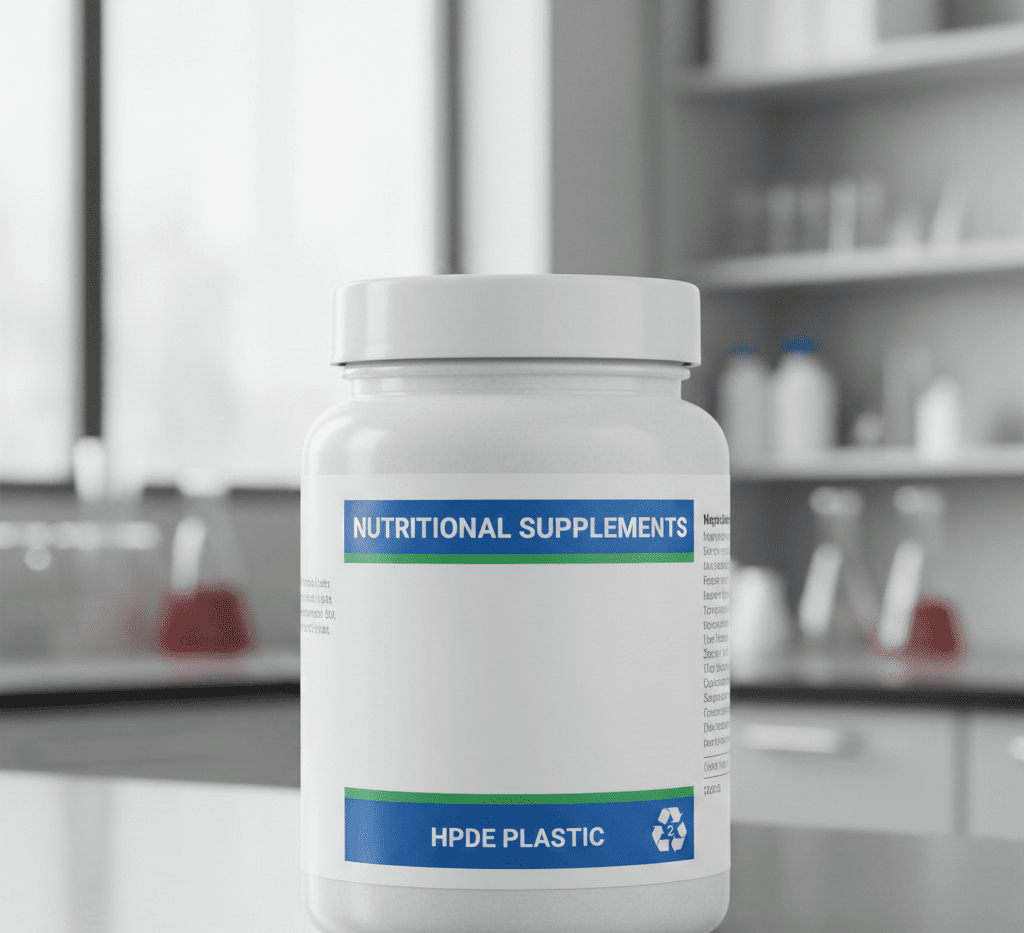
HDPE is a thermoplastic polymer derived from petroleum, recognized for its high strength-to-density ratio. Its molecular structure provides excellent resistance to moisture, chemicals, and impact while remaining lightweight.
Key Characteristics of HDPE Jars
- Exceptional chemical resistance
- Lightweight yet durable
- Non-toxic and food-safe
- High recyclability (Resin Code #2)
- Cost-efficient for mass production
These characteristics have positioned HDPE jars as a preferred choice for pharmaceuticals, food packaging, cosmetics, lubricants, and household chemicals.
Understanding ABS Jars: Precision and Premium Performance
Material Composition and Engineering
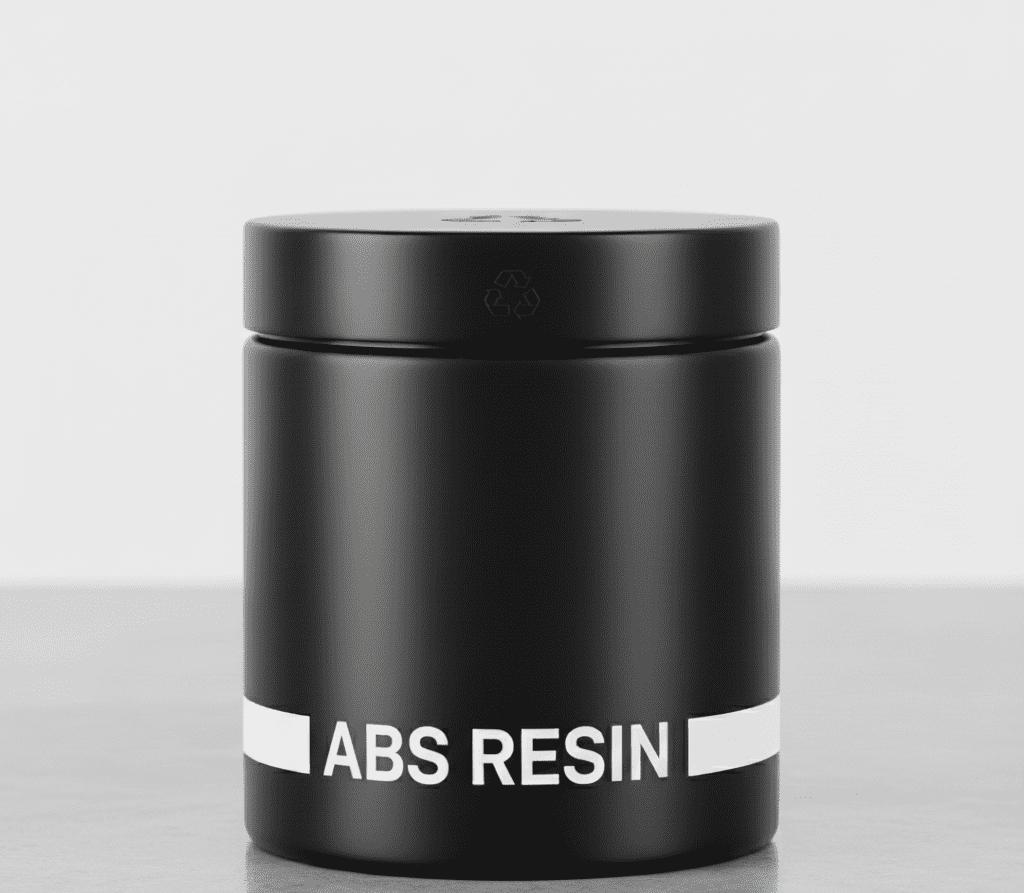
ABS is a high-performance engineering plastic composed of three monomers that deliver strength, rigidity, and impact resistance. Unlike HDPE, ABS is engineered for applications where precision, appearance, and mechanical performance are critical.
Key Characteristics of ABS Jars
- High dimensional stability
- Superior surface finish
- Excellent impact resistance
- High heat tolerance
- Rigid and premium feel
ABS jars are widely used in luxury cosmetics, medical devices, electronics packaging, and specialty industrial products, where performance outweighs cost concerns.
HDPE vs ABS Jars: Material Comparison in 2025
- Durability and Mechanical Strength
HDPE jars offer flexibility and impact resistance, making them ideal for environments involving drops, transport stress, and squeezing. ABS jars, however, provide greater rigidity and structural precision, maintaining shape under mechanical stress.
Verdict:
- HDPE for flexible durability
- ABS for rigid strength and precision
- Chemical and Moisture Resistance
HDPE is naturally resistant to acids, bases, alcohols, and moisture, making it highly suitable for pharmaceuticals, cosmetics, and food storage. ABS has moderate chemical resistance but can degrade when exposed to aggressive solvents.
Verdict:
- HDPE dominates chemical resistance
- ABS suitable for controlled environments
- Aesthetic and Surface Finish
ABS jars offer smooth, glossy, and paint-friendly surfaces, enabling premium branding, metallic coatings, and high-end finishes. HDPE jars typically feature a matte or semi-gloss appearance, more aligned with functional packaging.
Verdict:
- ABS leads in premium aesthetics
- HDPE excels in functional design
- Sustainability and Environmental Impact
Sustainability is a defining factor in 2025. HDPE jars are 100% recyclable, widely accepted in global recycling streams, and increasingly produced with post-consumer recycled (PCR) content. ABS recycling infrastructure is limited, making it less environmentally favorable.
Verdict:
- HDPE is the sustainability leader
- ABS lags in circular economy compatibility
- Cost Efficiency and Scalability
HDPE jars are cost-effective, ideal for high-volume manufacturing, and require lower processing energy. ABS jars involve higher raw material and tooling costs, justified only in premium or specialized applications.
Verdict:
- HDPE wins on cost and scalability
ABS suits niche, high-value products
HDPE Jar
ABS Jar
Industry Applications: Where Each Material Excels
HDPE Jar Applications in 2025
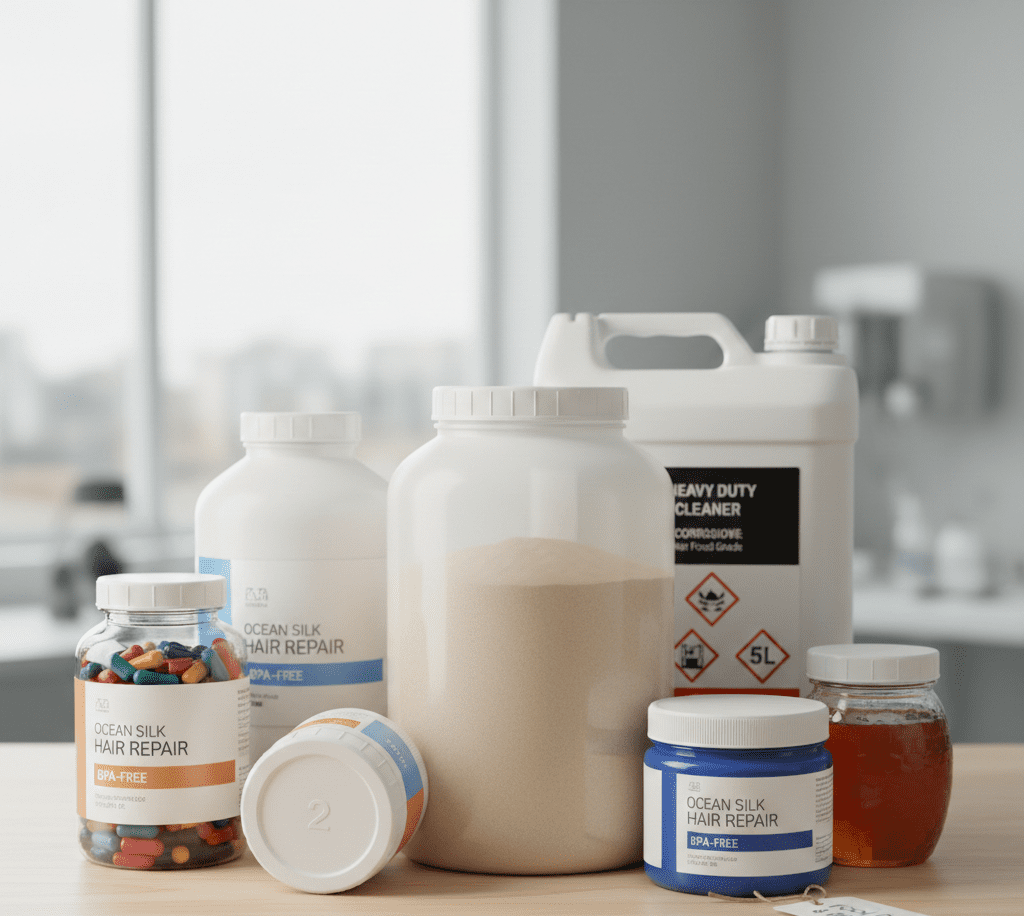
- Pharmaceutical containers
- Food and beverage packaging
- Cosmetic creams and lotions
- Herbal and medicated ointments
- Industrial chemicals and lubricants
HDPE remains the backbone of industries that prioritize safety, affordability, and sustainability.