
What Are PCM Gel Packs? A Complete Guide to Phase Change Material Gel Packs
Phase Change Material (PCM) gel packs are advanced thermal energy storage solutions used to control temperature passively by harnessing the physics of phase transitions. They are widely used in cold chain logistics, medical transport, food delivery, and many other temperature-sensitive applications.
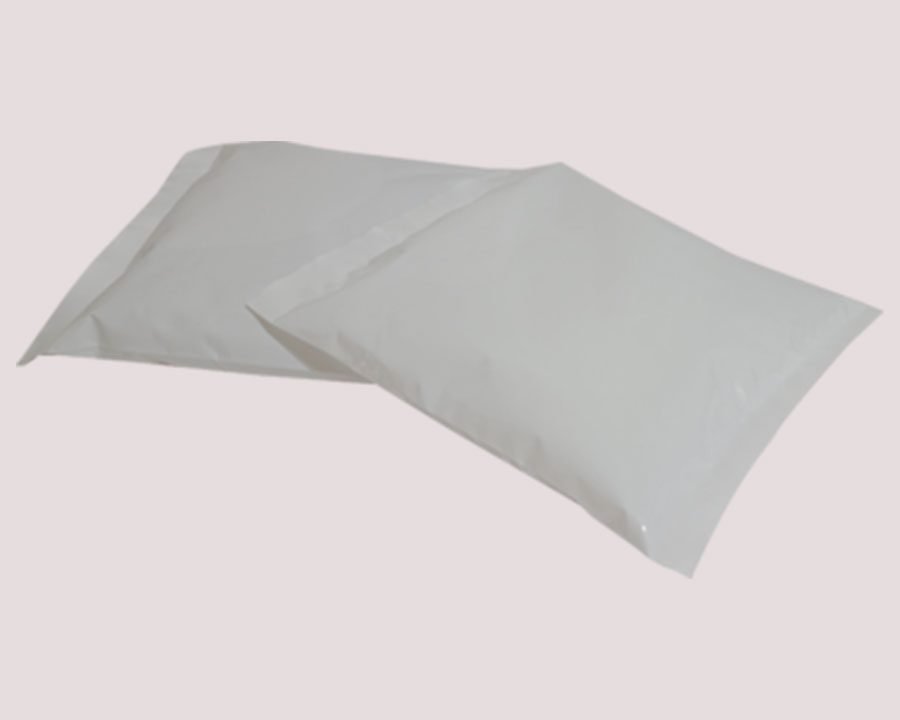
How PCM Gel Packs Work
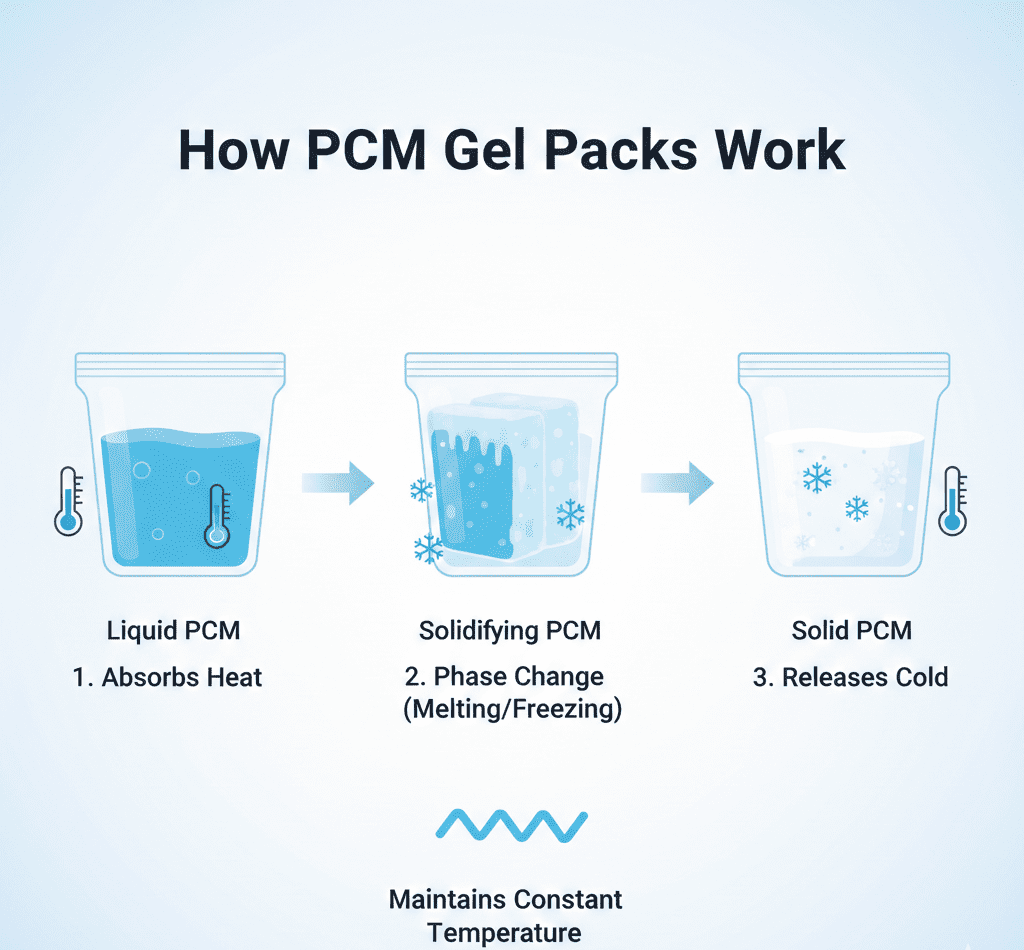
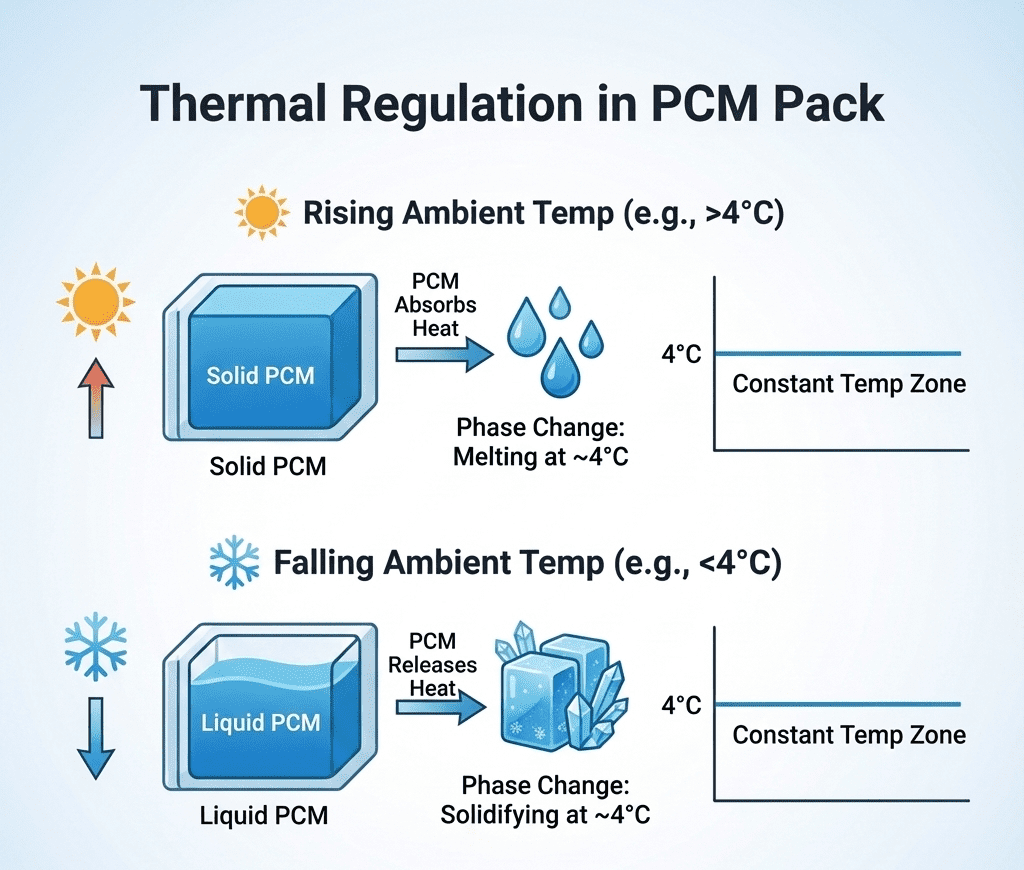
At the core of PCM gel packs is a phase change material (PCM), a substance engineered to melt and solidify at a specific temperature. When the PCM melts, it absorbs heat from the environment; when it solidifies, it releases heat back into the surroundings. This process stores and releases large amounts of thermal energy without significant temperature changes, making PCM gel packs highly effective for temperature control.
For instance:
A PCM formulated for 2–8°C environments will absorb heat at 2–8°C and help keep contents in that range.
Why Thermal Regulation Matters
Products like vaccines, biologics, fresh food, or lab samples can degrade if temperatures stray too far above or below certain limits. PCM gel packs maintain consistent temperatures for extended periods, much longer than traditional ice packs or simple gel packs, reducing the risk of spoilage or damage.
Key Benefits of PCM Gel Packs
Precise and Stable Temperature Control
PCM gel packs hold temperature around their specific phase change point, which helps avoid temperature spikes and drops — crucial for cold chain compliance and product quality.
Extended Cooling Duration
By absorbing and releasing latent heat, PCM gel packs can maintain stable temperatures for longer than standard gel packs, especially over longer transit times.
Reusability and Sustainability
Many PCM gel packs are designed for multiple freeze–thaw cycles without performance loss. Their reusability helps reduce waste and total packaging costs.
Customizable Temperature Set Points
Unlike simple ice packs that freeze/melt near 0 °C, PCM gel packs can be engineered to phase change at almost any target temperature, including ambient (~15–25°C), chilled (2–8 °C), and frozen (e.g., −21 °C).
Improved Packaging Efficiency
Because PCM gel packs are engineered for specific set points, you typically need fewer packs per
Precise and Stable Temperature Control
Extended Cooling Duration
Reusability and Sustainability
Customizable Temperature Set Points
Improved Packaging Efficiency
PCM Gel Packs vs. Traditional Gel Packs
| Feature | PCM Gel Packs | Traditional Gel Packs |
|---|---|---|
| Temperature control precision | High — engineered set points | Lower — ice melt dependent |
| Cooling duration | Long | Short |
| Reusability | Yes (often many cycles) | Often limited |
| Efficiency | Efficient thermal buffering | Requires more packs for the same effect |
| Ideal use | Cold chain, pharma, food | Short trips, basic cooling |
Common Applications of PCM Gel Packs
PCM gel packs are used across many industries:
🧪 Pharmaceuticals & Biologics
Used to maintain critical temperature ranges for vaccines, biologics, blood products, and lab specimens during storage and shipment.
🚚 Cold Chain Logistics
Ideal for ensuring product integrity during the transportation of perishables and sensitive goods.
🍖 Food Delivery
Kept within safe chilled or frozen ranges during last-mile delivery of food and meal kits.
📦 E-Commerce & Parcel Shipping
Used by logistics providers to meet service level agreements (SLAs) for temperature-controlled delivery.
How to Choose the Right PCM Gel Pack
When selecting PCM gel packs, consider:
Target Temperature Range: Select a PCM with a phase change point that aligns with your product’s requirements.
Duration Required: Longer trips need PCMs with higher latent heat capacity.
Regulations: For pharmaceuticals, ensure compliance with relevant cold chain guidelines.
Working with manufacturers to customize temperature set points and pack sizes can optimize performance.