
Cold compress gel packs have become a popular choice for relieving pain, swelling, and inflammation. Whether it’s a sports injury, a headache, or post-surgery recovery, these flexible packs promise cooling comfort without the mess of melting ice. But the question remains , are cold gel packs safe to use directly on the skin, or should they be handled with caution?
What Are Cold Compress Gel Packs?
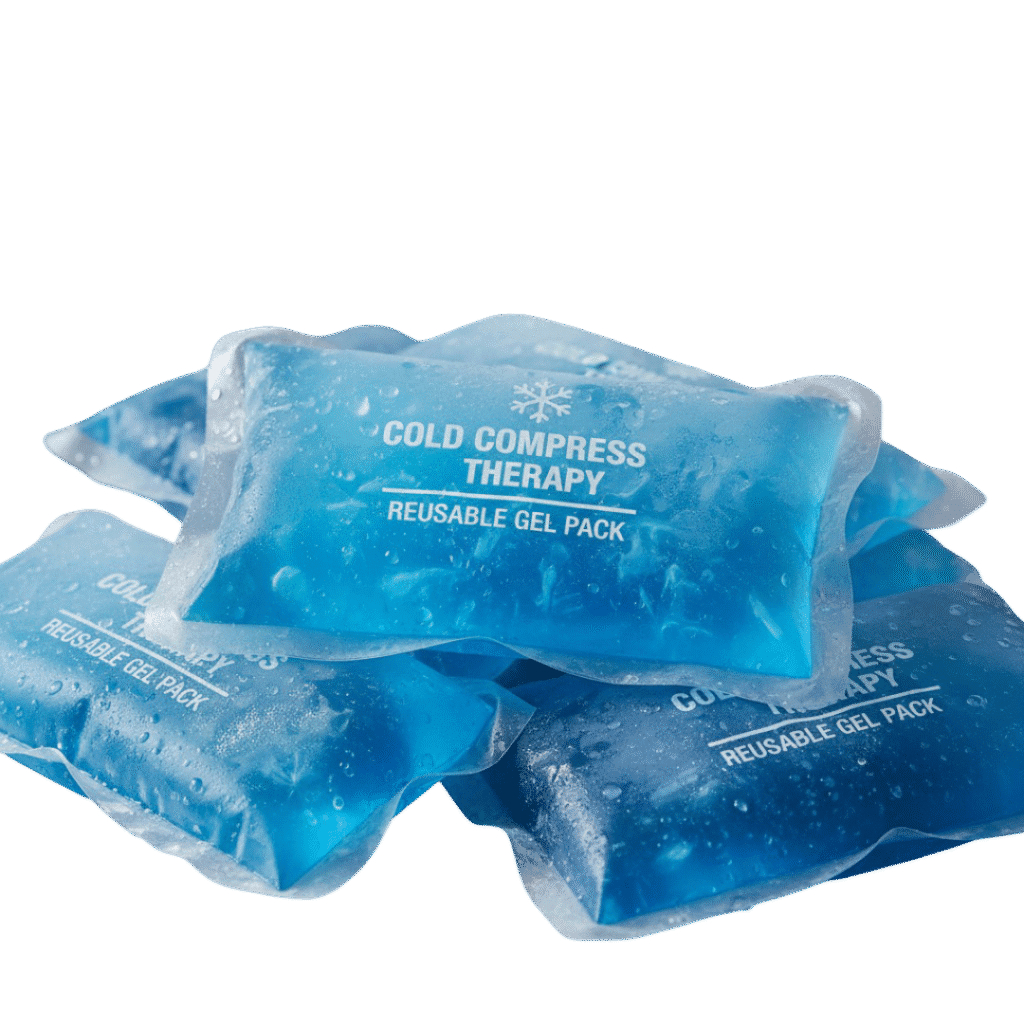
Cold compress gel packs are reusable pouches filled with a non-toxic gel (usually made of water, glycerin, and a thickening agent). When frozen, the gel becomes cold and moldable, allowing it to contour to the body — unlike ice cubes, which are rigid and uneven.
These packs are often used for:
- Reducing inflammation and swelling
- Soothing minor burns or sunburns
- Relieving muscle soreness
- Managing pain from injuries or dental work
Cold Compress Gel Packs vs. Ice: What’s the Difference?
Feature | Gel Pack | Ice Pack |
Flexibility | Flexible and molds to body shape | Hard and uneven |
Temperature | Consistent cooling (less extreme) | Very cold, may cause skin burns |
Convenience | Reusable and mess-free | Melts quickly and drips water |
Safety | Safer if wrapped in cloth | Risk of frostbite if used directly |
👉 Conclusion: Gel packs offer a controlled cooling effect, making them generally safer than ice — but only when used correctly.
Can You Apply Gel Packs Directly to Skin?
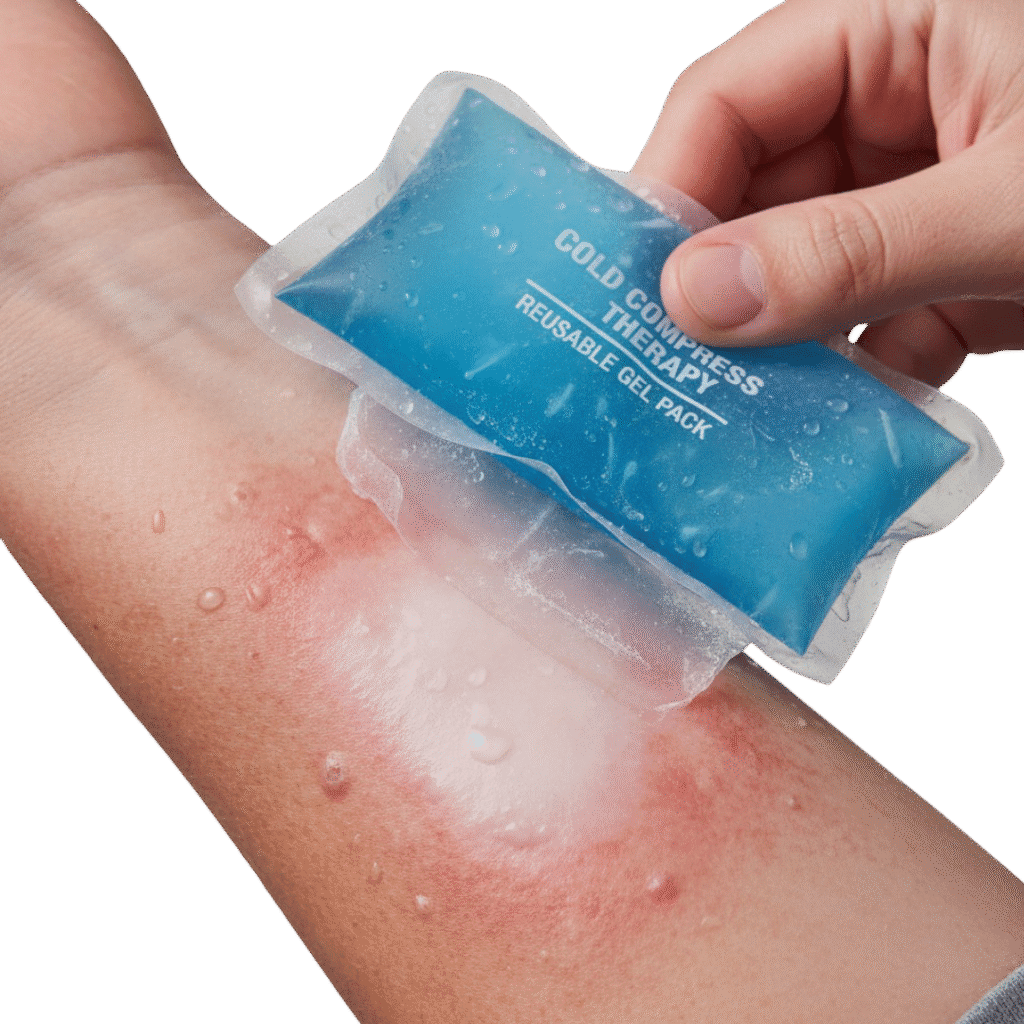
No, you should not apply a cold compress gel pack directly to your skin.
Even though they are designed for comfort, gel packs can still reach temperatures below freezing (around -18°C or 0°F). Direct contact may lead to:
- Frostbite
- Skin irritation
- Numbness or burning sensation
✅ Safe Usage Tip:
Always wrap the gel pack in a thin towel or cloth before applying it to the skin. This acts as a barrier and prevents cold burns.
How to Use Cold Compress Gel Packs Safely
1. Freeze properly: Store your gel pack in the freezer for at least 2 hours before use.
2. Wrap it: Use a soft, dry cloth between your skin and the gel pack.
3. Apply for short periods: Keep it on the affected area for 10–20 minutes at a time.
4. Wait between applications: Give your skin a break of at least 45 minutes to 1 hour before reapplying.
5. Inspect your skin: Stop immediately if you notice redness, tingling, or numbness.
When to Use a Cold Compress Gel Pack
Gel packs are best for acute injuries or situations where cold therapy can help reduce inflammation. Some examples include:
• Sprains and strains
• Bruises
• Swelling after surgery
• Headaches or migraines
• Fever relief
• Toothache or jaw pain
For chronic pain (like arthritis or muscle stiffness), alternating between hot and cold therapy may provide better results.
When Not to Use Gel Packs
Avoid using cold compress gel packs if you have:
• Circulatory issues (like diabetes or poor blood flow)
• Open wounds
• Cold hypersensitivity
• Nerve damage (neuropathy)
In such cases, consult your doctor before applying any cold therapy.