
In the pharmaceutical industry, product safety and shelf life are non-negotiable. Medicines are susceptible to moisture, air, bacteria, and external contaminants, which can reduce their effectiveness or make them unsafe for consumption. This is why HDPE (High-Density Polyethylene) tablet jars are widely used by pharmaceutical manufacturers around the world.
What Is HDPE and Why Is It Used for Tablet Jars?
HDPE (High-Density Polyethylene) is a strong, lightweight, and non-reactive plastic known for its excellent barrier properties. In pharmaceutical packaging, HDPE is preferred because it is:
- FDA-approved for medical use
- Chemically inert (does not react with medicines)
- Highly resistant to moisture and chemicals
- Durable and impact-resistant
These properties make HDPE ideal for protecting tablets, capsules, and powders.
1. Superior Moisture Barrier Protection
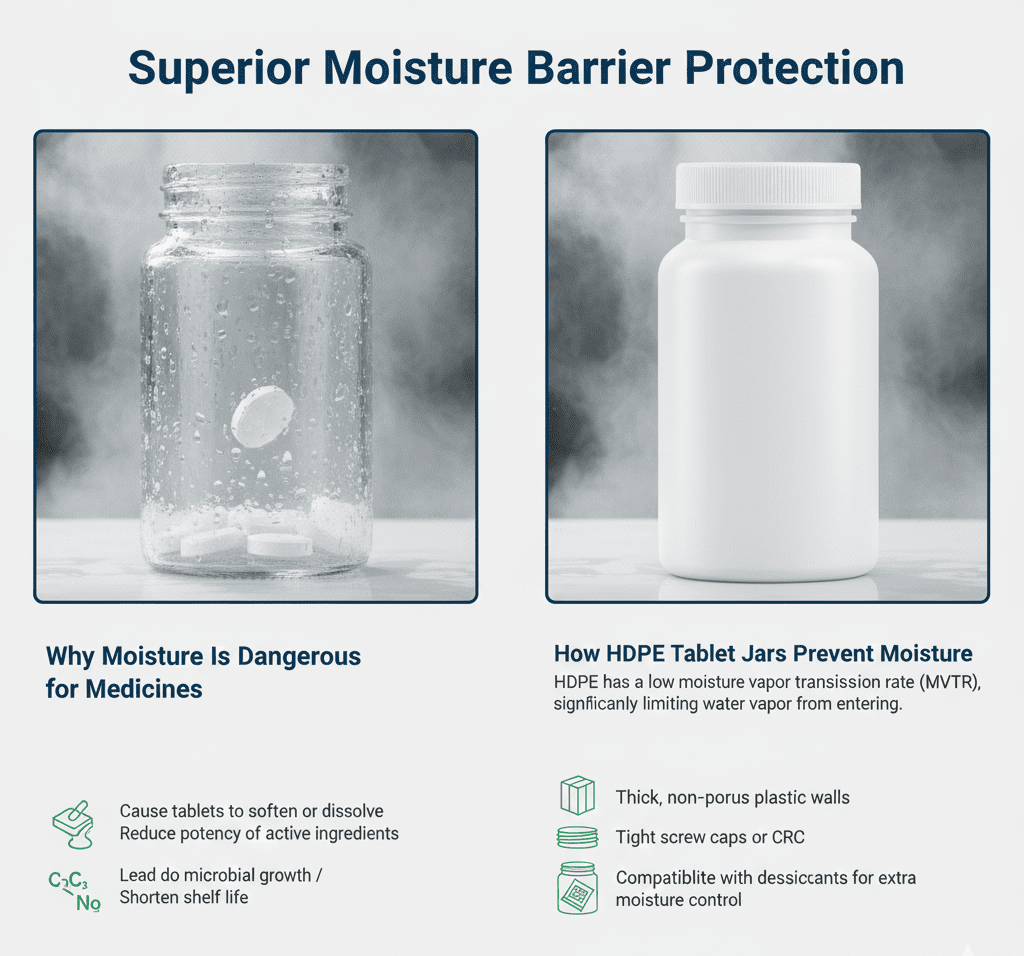
Why Moisture Is Dangerous for Medicines
Moisture can:
- Cause tablets to soften or dissolve
- Reduce the potency of active ingredients
- Lead to microbial growth
- Shorten shelf life
How HDPE Tablet Jars Prevent Moisture
HDPE has a low moisture vapor transmission rate (MVTR), meaning it significantly limits water vapor from entering the container.
Key moisture-protection features include:
- Thick, non-porous plastic walls
- Tight screw caps or CRC (Child Resistant Caps)
- Compatibility with desiccants for extra moisture control
Together, these features keep tablets dry even in humid environments.
Strong Protection Against External Contamination
Contamination from dust, bacteria, or air exposure can compromise medicine safety.
HDPE tablet jars protect against contamination by:
- Forming an airtight seal when closed properly
- Preventing entry of dust, microbes, and pollutants
- Supporting tamper-evident seals for consumer safety
This ensures medicines remain hygienic and safe from the production line to the patient.
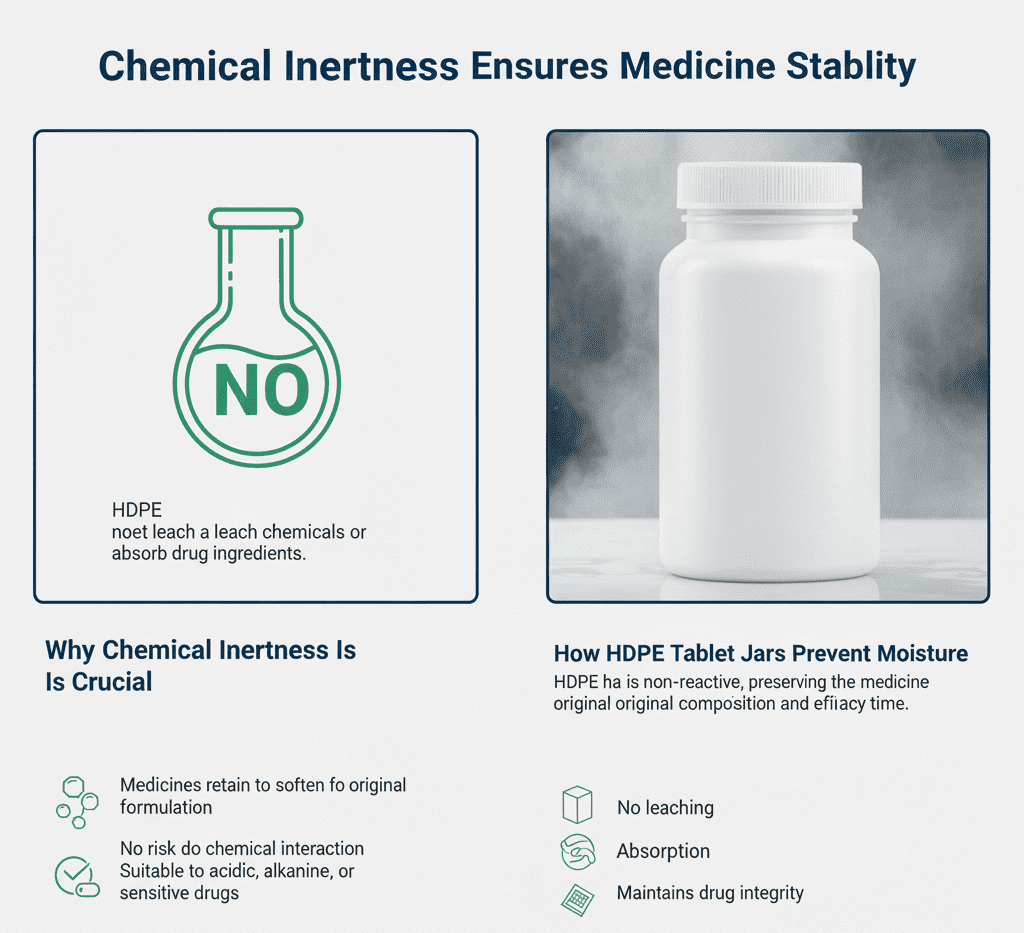
Chemical Inertness Ensures Medicine Stability
HDPE does not leach chemicals or absorb drug ingredients. This is critical because:
- Medicines retain their original formulation
- No risk of chemical interaction
- Suitable for acidic, alkaline, or sensitive drugs
As a result, HDPE jars maintain drug integrity throughout their shelf life
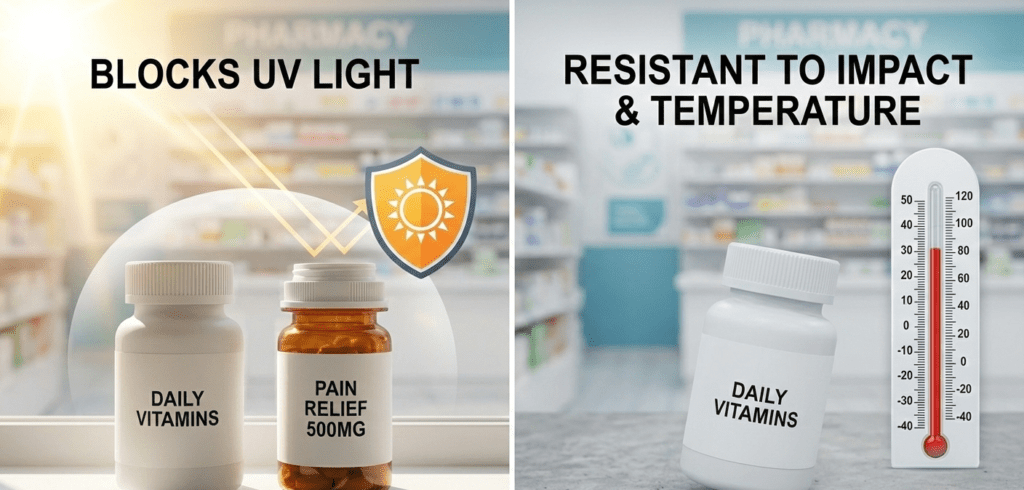
Protection from Light and Environmental Factors
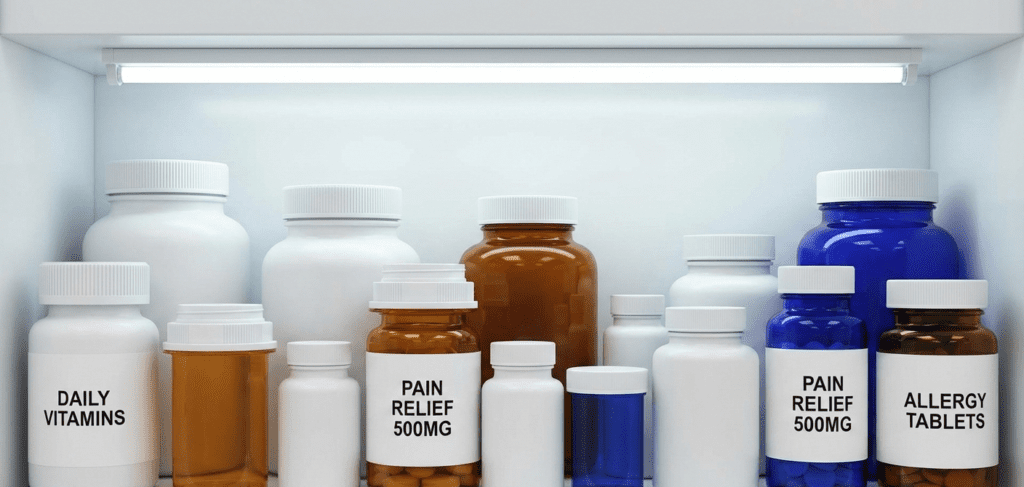
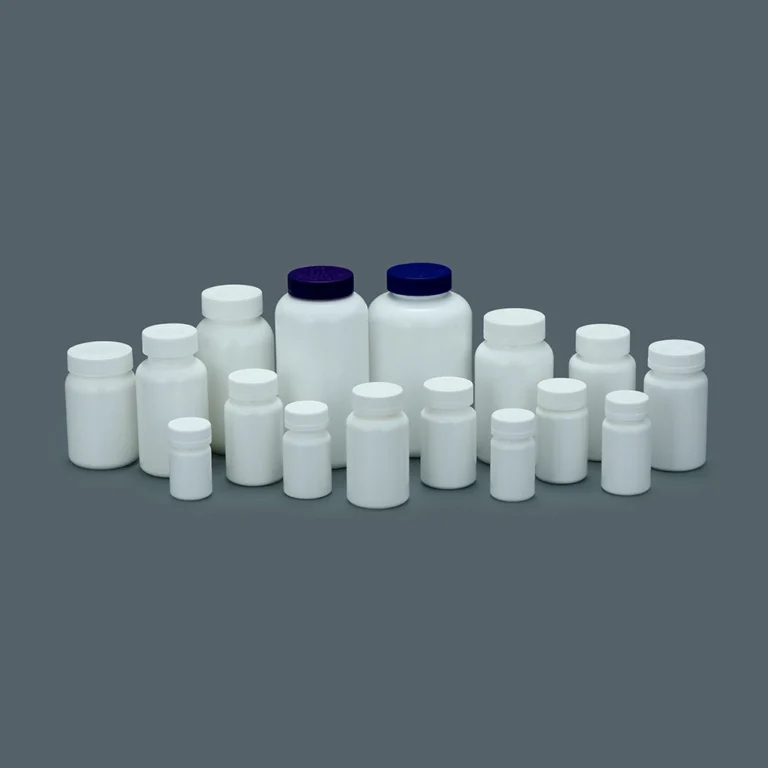
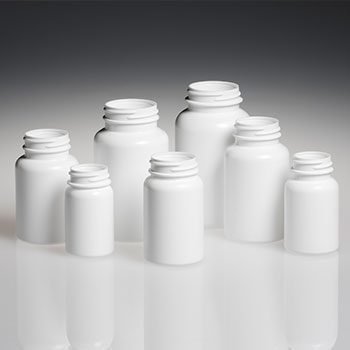
Many HDPE tablet jars are available in:
- Opaque white
- Amber or colored variants
These options help block UV and visible light, which can degrade light-sensitive medications such as vitamins and antibiotics.
Additionally, HDPE jars are resistant to:
- Temperature fluctuations
- Physical impacts during transportation
- Cracking or deformation
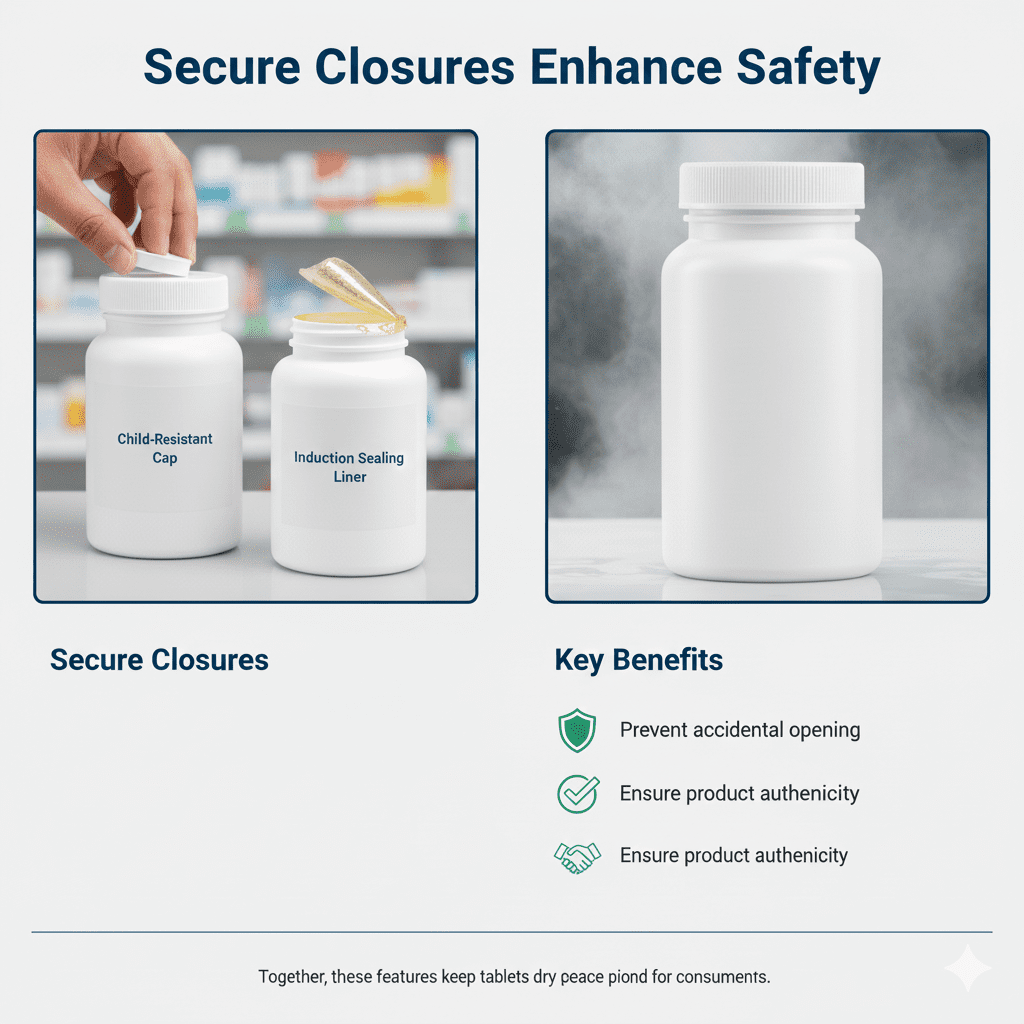
- Secure Closures Enhance Safety
HDPE tablet jars work seamlessly with:
- Child-resistant caps (CRC)
- Induction sealing liners
- Tamper-evident closures
These features:
- Prevent accidental opening
- Ensure product authenticity
- Build consumer trust
Why Pharmaceutical Brands Trust HDPE Tablet Jars
In summary, HDPE tablet jars protect medicines by offering:
- Excellent moisture resistance
- Strong contamination prevention
- Chemical and UV protection
- Secure, tamper-proof sealing
- Compliance with global pharma standards