7 Most Common Types of Thermoplastic Polymers and Their Applications
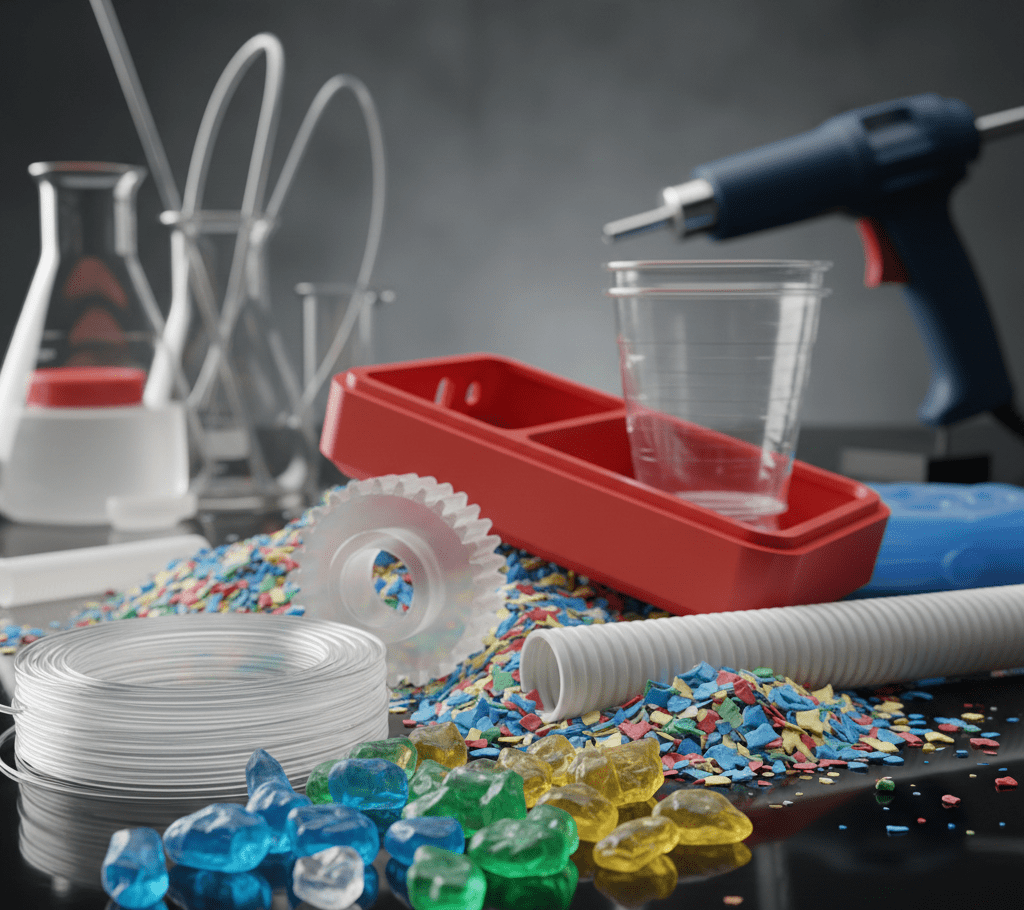
Thermoplastic polymers are among the most widely used materials in modern manufacturing. From food packaging and medical devices to automotive parts and electronics, thermoplastics play a crucial role due to their recyclability, durability, and ease of processing
What Are Thermoplastic Polymers?
Thermoplastic polymers are plastics that soften when heated and harden when cooled, without undergoing permanent chemical change. This makes them reusable, recyclable, and cost-effective compared to thermosetting plastics.
Key Advantages of Thermoplastics
Recyclable and reusable
Lightweight and strong
Resistant to chemicals and moisture
Easy to mold and reshape
Cost-efficient for mass production
Polyethylene (PE)
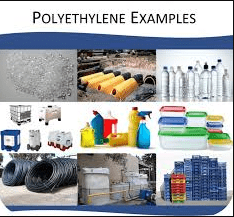
Polyethylene is the most widely used thermoplastic in the world, known for its flexibility and chemical resistance.
Key Properties
Lightweight
Moisture resistant
Excellent chemical stability
Common Applications
Plastic bags and films
Bottles and containers
HDPE jars for cosmetics and pharmaceuticals
Water pipes and insulation
Types: LDPE, HDPE, LLDPE
Polypropylene (PP)
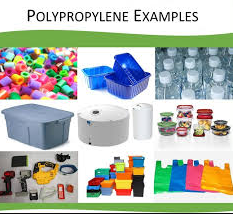
Polypropylene is valued for its strength, heat resistance, and durability, making it ideal for reusable products.
Key Properties
High melting point
Fatigue resistant
Lightweight yet strong
Common Applications
Food containers and packaging
Medical syringes and lab equipment
Automotive parts
Caps and closures
Polyvinyl Chloride (PVC)
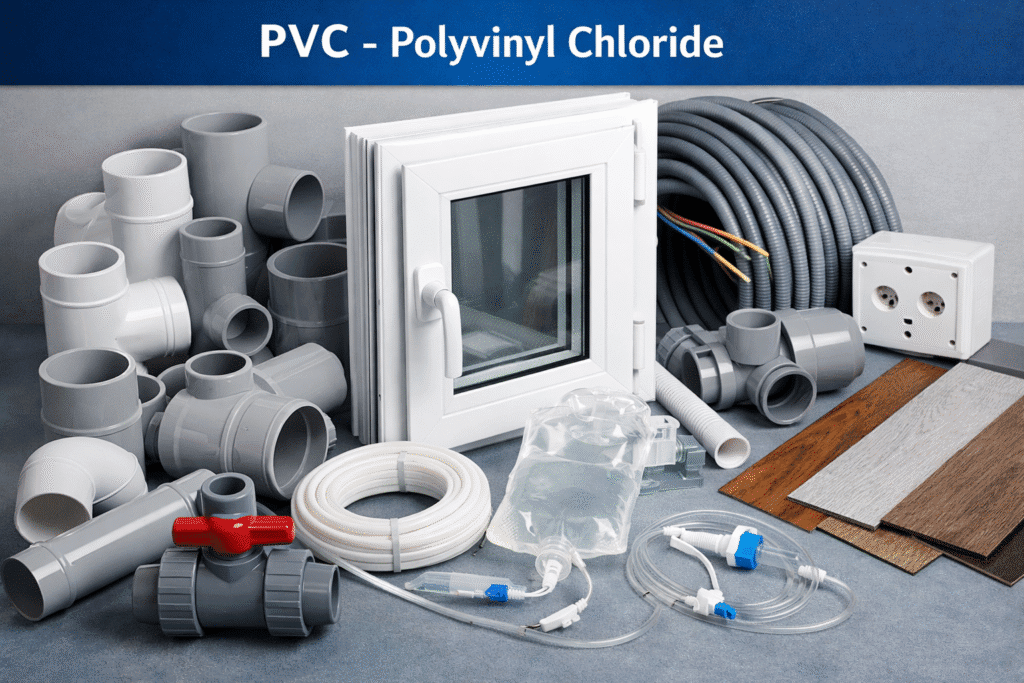
PVC is a versatile thermoplastic used in both rigid and flexible forms.
Key Properties
Flame resistant
Durable and weather-resistant
Excellent electrical insulation
Common Applications
Pipes and fittings
Electrical cable insulation
Window frames and doors
Medical tubing and blood bags
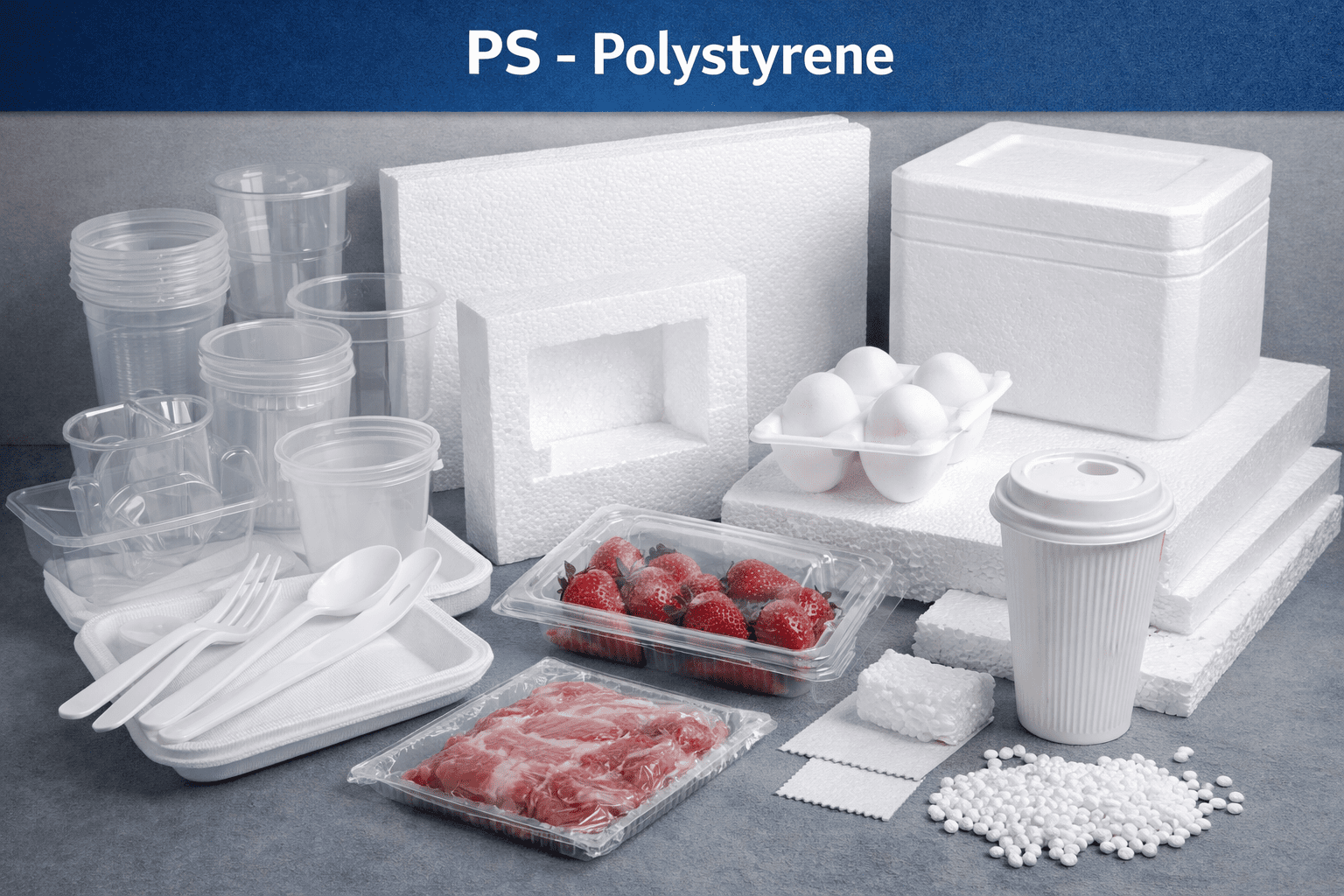
Polystyrene (PS)
Polystyrene is known for its clarity and rigidity, and it can also be expanded into foam.
Key Properties
Lightweight
Transparent (solid form)
Good insulation (foam form)
Common Applications
Disposable cups and cutlery
Food packaging trays
Insulation panels
Protective packaging (EPS foam)
Acrylonitrile Butadiene Styrene (ABS)
ABS is an engineering thermoplastic famous for its impact resistance and toughness.
Key Properties
High strength
Impact resistant
Excellent surface finish
Common Applications
Automotive dashboards
Electronic housings
Toys (e.g., LEGO bricks)
Appliance casings
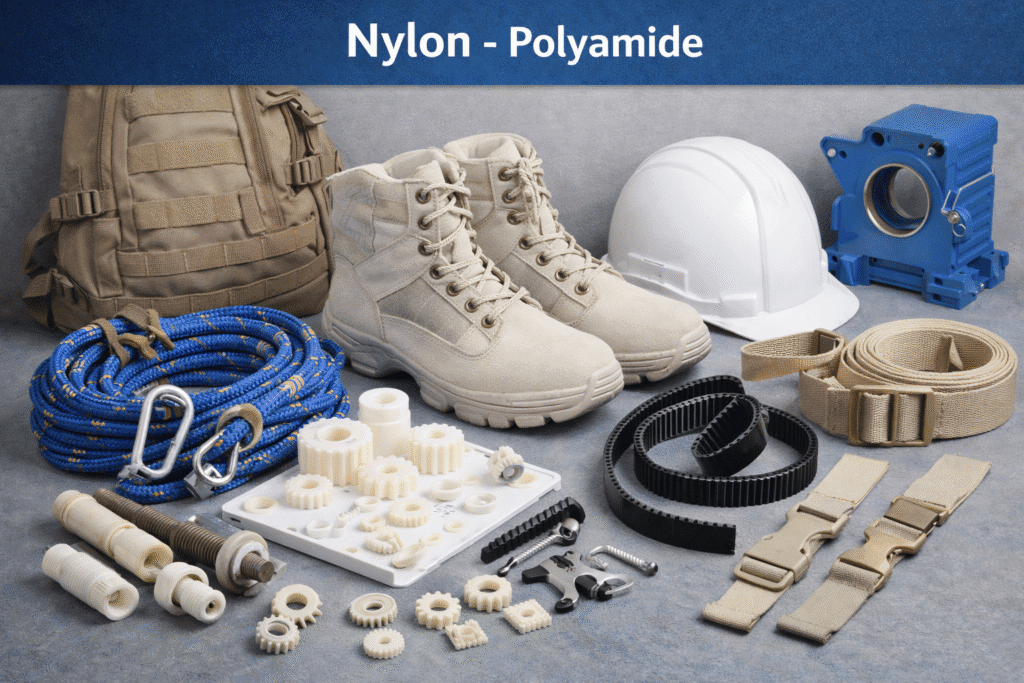
Polyamide (Nylon)
Nylon is a high-performance thermoplastic with excellent mechanical strength and wear resistance.
Key Properties
High tensile strength
Heat resistant
Low friction
Common Applications
Gears and bearings
Textiles and fibers
Industrial machine parts
Automotive components
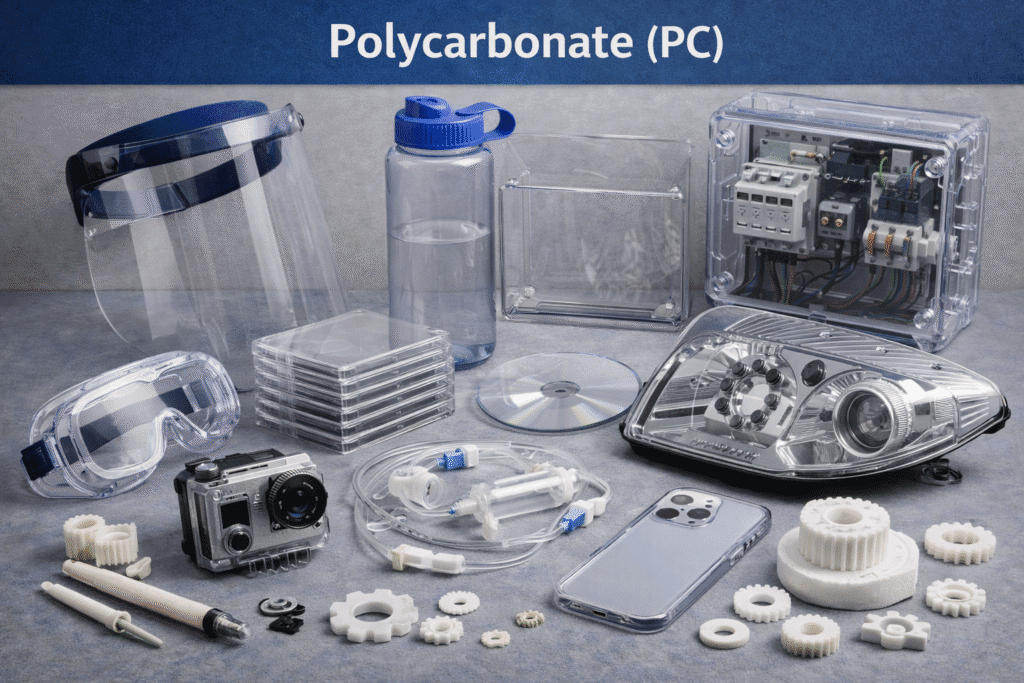
Polycarbonate (PC)
Polycarbonate is known for its exceptional impact resistance and optical clarity.
Key Properties
Extremely tough
Transparent
Heat resistant
Common Applications
Safety goggles and face shields
Bullet-resistant glass
Medical devices
Electronic components
Comparison Table: Common Thermoplastic Polymers
Polymer
Strength
Heat Resistance
Transparency
Common Uses
Polyethylene (PE)
Medium
Low
Low
Packaging, bottles
Polypropylene (PP)
High
Medium
Low
Food containers
PVC
High
Medium
Low
Pipes, cables
Polystyrene (PS)
Low
Low
High
Disposable items
ABS
Very High
Medium
Low
Electronics, toys
Nylon
Very High
High
Low
Gears, textiles
Polycarbonate
Extremely High
High
Very High
Safety equipment
Why Thermoplastic Polymers Are So Important
Thermoplastics support sustainable manufacturing by enabling recycling and reprocessing. Their versatility allows manufacturers to tailor materials for specific industries such as packaging, healthcare, automotive, and construction.
Conclusion
Understanding the most common thermoplastic polymers and their applications helps manufacturers, engineers, and students make better material choices. From everyday packaging to advanced medical and automotive parts, thermoplastics continue to shape modern life with their efficiency, durability, and adaptability.
Frequently Asked Questions (FAQs)
Q1: Which thermoplastic is most commonly used? Polyethylene (PE) is the most widely used thermoplastic worldwide.
Q2: Are thermoplastics recyclable? Yes, most thermoplastics are recyclable and reusable.
Q3: Which thermoplastic is strongest? Polycarbonate and Nylon are among the strongest thermoplastics.